
Independent, evidence-graded insights on scar and keloid treatments.
Evidence-graded treatments, real outcomes, and what to do next. No more guessing. I built this because the research I needed didn't exist online. Just marketing.
Start hereStart at home
The evidence-based path for treating keloids without a clinic visit. Silicone, pressure, and daily red light, stacked in the right order for your scar type.
See the home-care stack →What are you dealing with?
Treatment choice depends more on location and age of scar than anything else. Tap the spot that matches yours — or pick from the list — to jump to the protocol stack I’d start with.
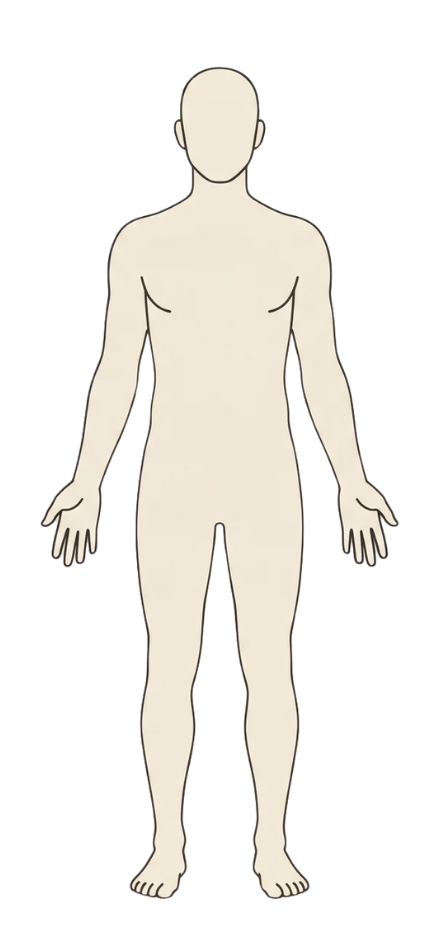
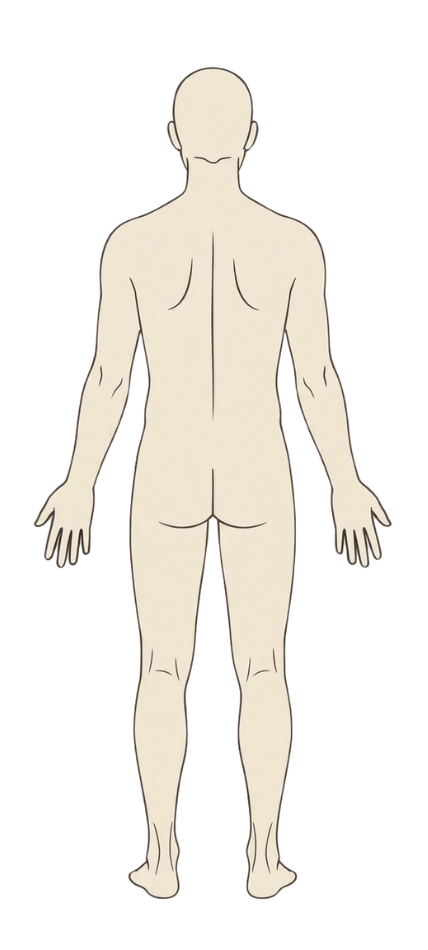
Non-invasive vs invasive treatments.
Nine treatments compared across the five dimensions that actually shape your decision: evidence strength, type, cost, risk, and discomfort.
Evidence strengthResearch quality, not effectiveness.
- StrongMultiple RCTs or meta-analyses
- ModerateSome controlled studies, consensus forming
- EmergingEarly studies, promising but thin
- LimitedCase reports, low-quality data
Discomfort = typical self-reported at-procedure experience. Risk = chance of side-effects.
Answer one question. Get to your shortlist in two minutes.
I score every treatment against your situation — location, age of scar, budget, pain tolerance, what matters most. Results are shareable. No sign-up.
Not one light. Four — reaching four depths.
Keloids live in the collagen layer, 1–4 mm down. The wavelengths that reach it are the ones that matter. Everything else is marketing.
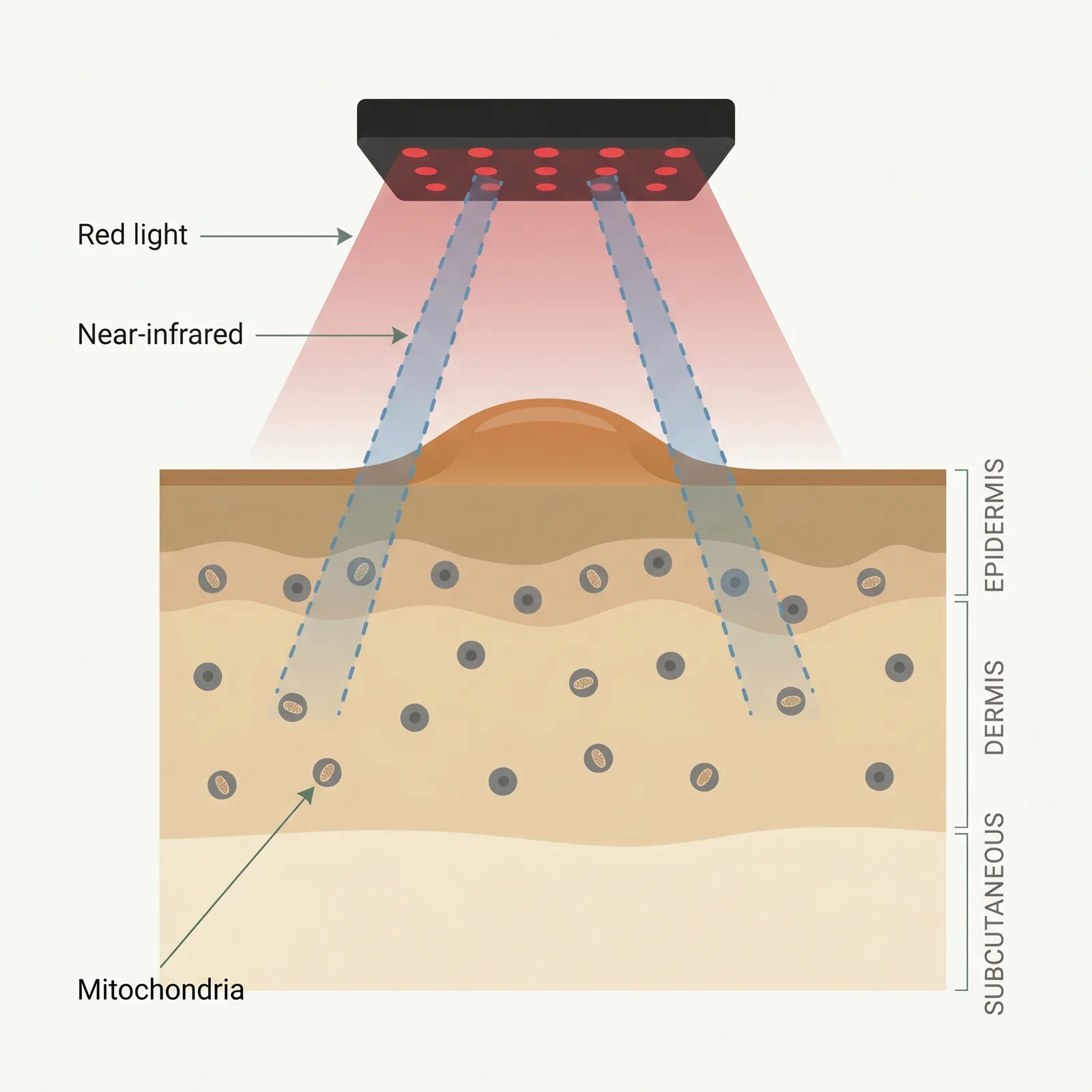
Cytochrome c oxidase absorbs photons in mitochondria. Down-regulates TGF-β1, the main driver of excess collagen in keloids.
Jagdeo 2018 · systematic review of 56 RCTs · ≈4,920 participants · identified 700–850 nm as the most consistently effective band.
Scroll the belt. Chips show the bands each device hits.
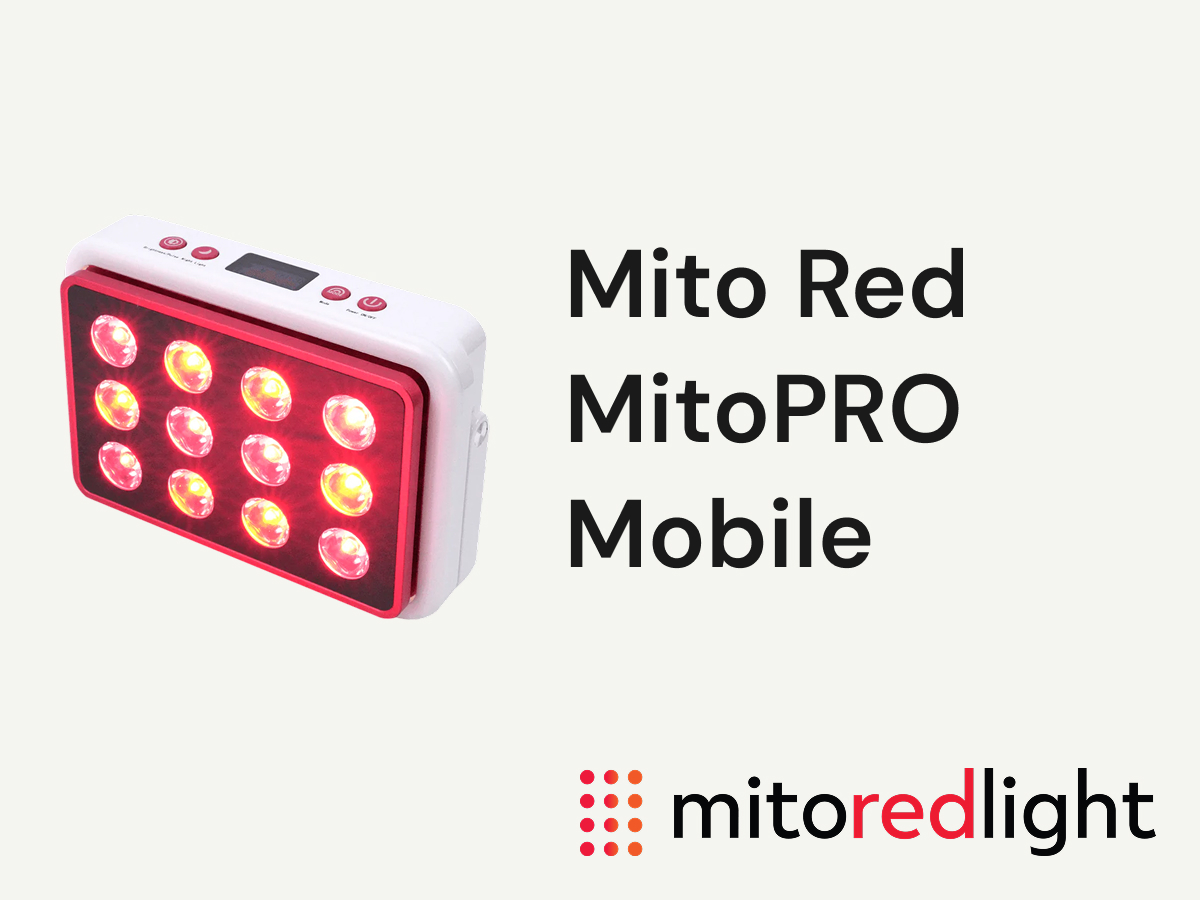
Mito Red Light MitoPRO Mobile
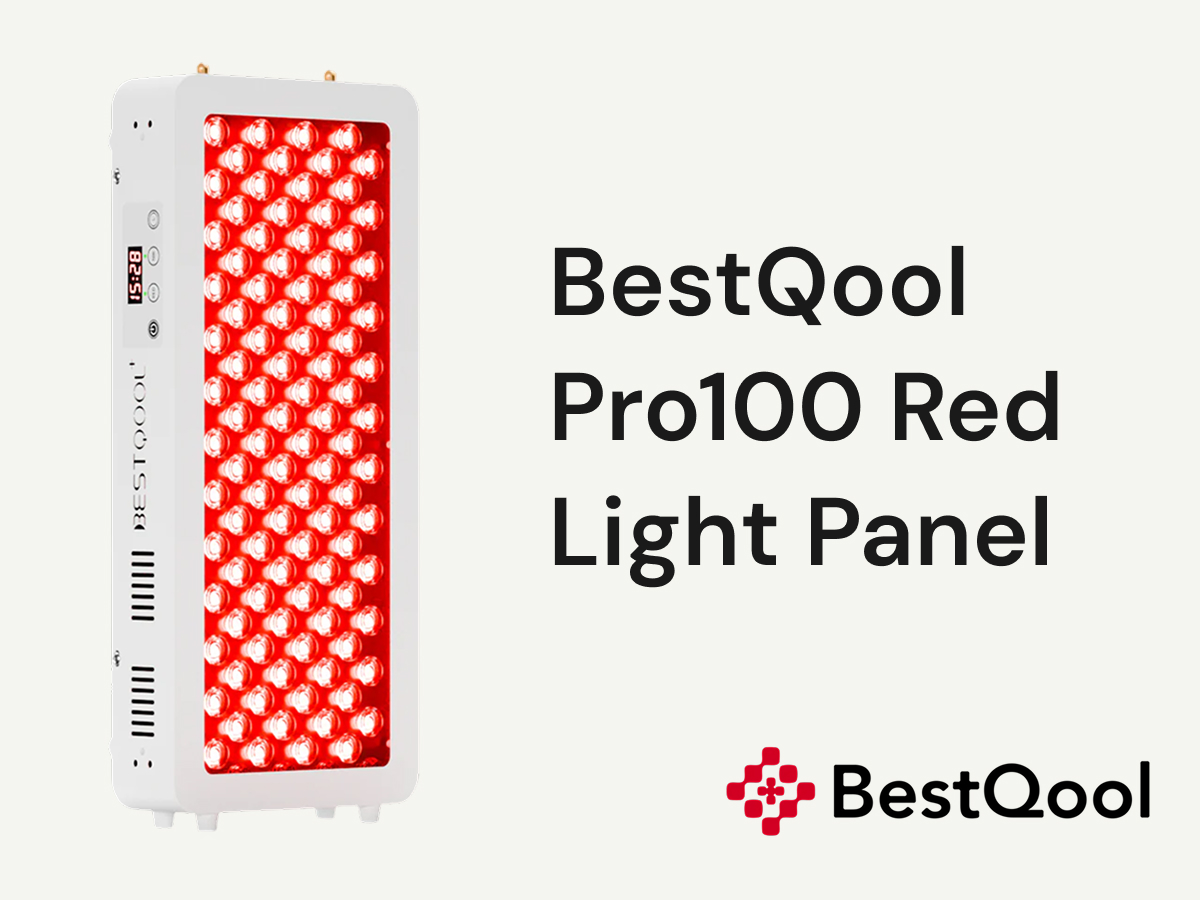
BestQool Pro100 Red Light Panel
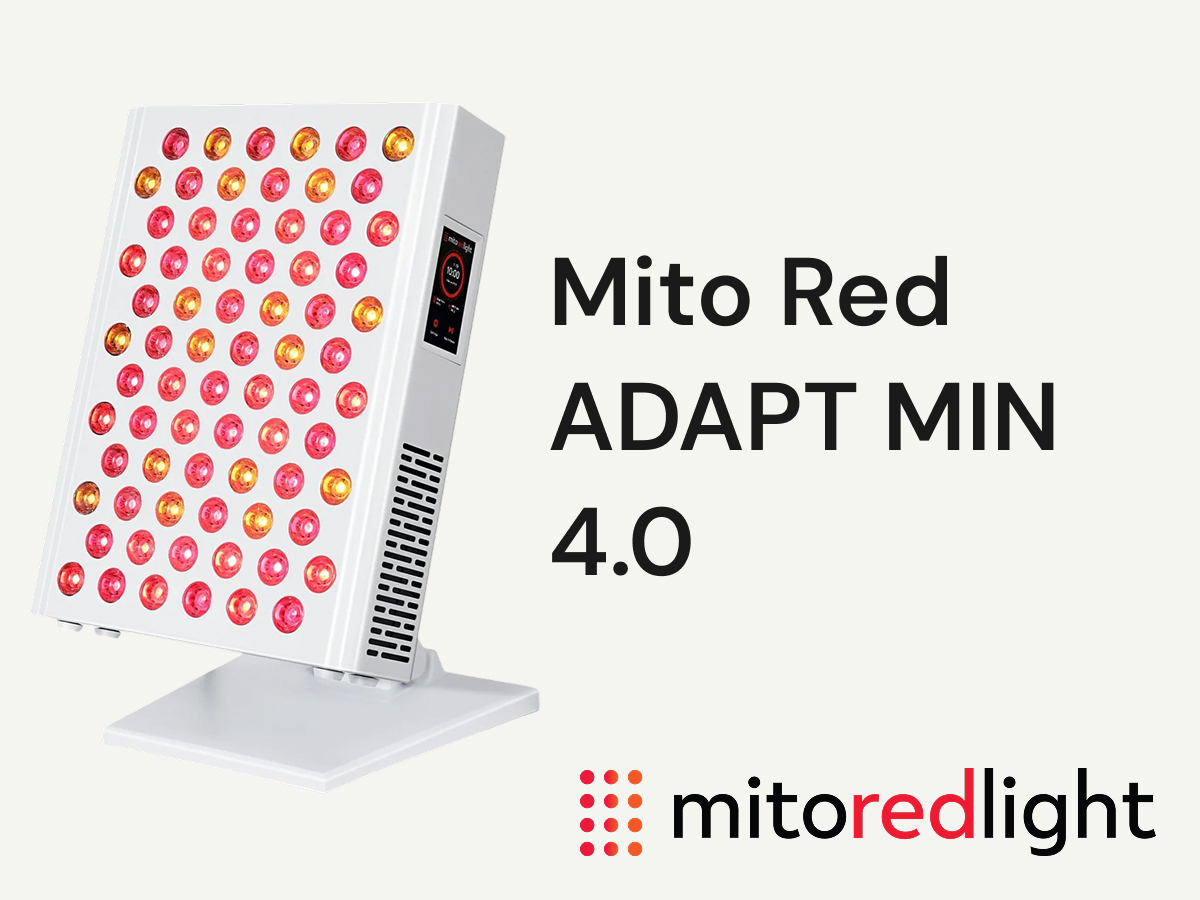
Mito Red Light MitoADAPT MIN 4.0
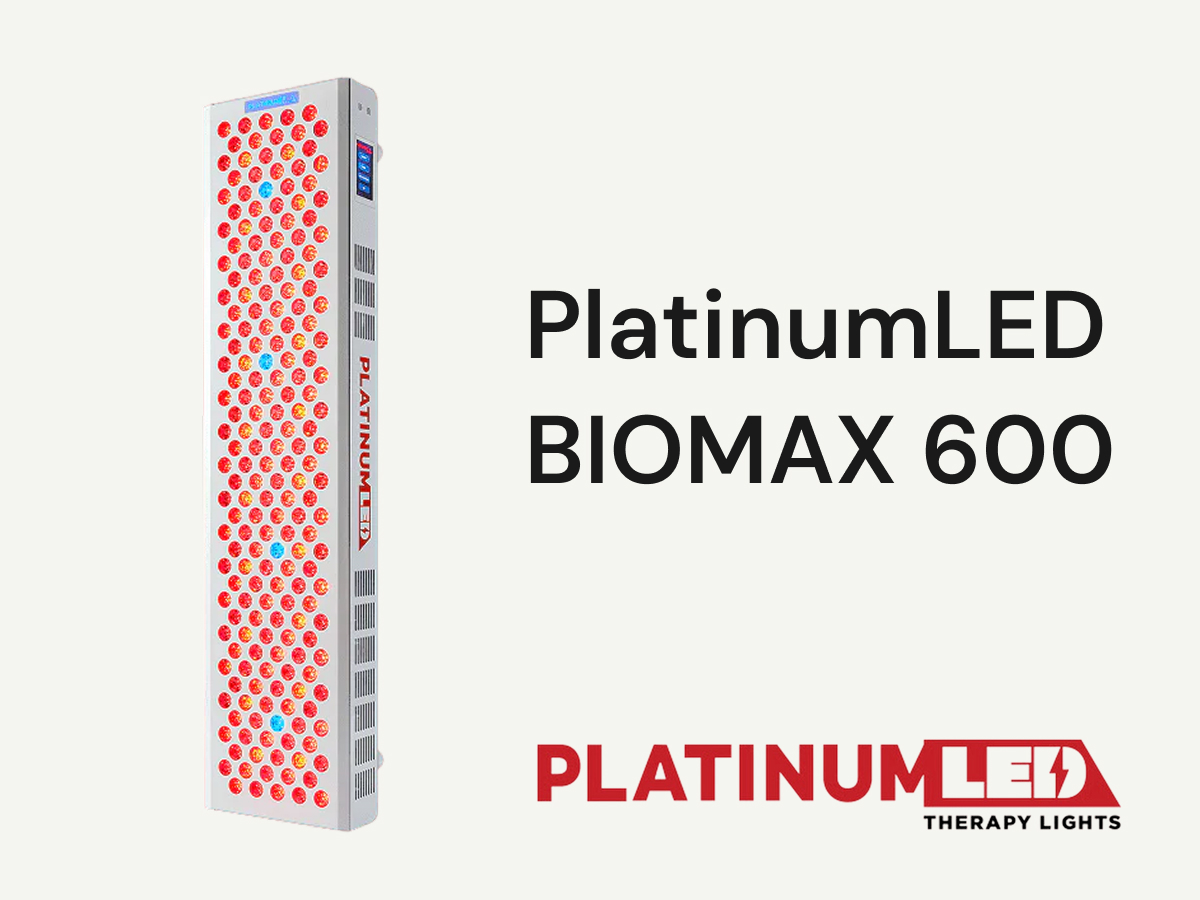
PlatinumLED BIOMAX 600

Mito Red Light MitoADAPT MAX 4.0
About this site
I started ScarInsight because my family has lived with keloids across three generations, and the information I needed kept arriving too late or dressed up as marketing. I wanted one place that treats the evidence the way a researcher would and the reader the way a friend would.
My standard is simple. I grade every treatment by the quality of the studies behind it, not the confidence of the people selling it. Emerging options get flagged as emerging. Strong options get the citations to back it up.
This site is not a substitute for a dermatologist. It is a research layer you can bring into that conversation so you walk in knowing what to ask.